


The meeting between top EU officials and Hungarys incoming leadership in Brussels on Wednesday is a bid to unlock billions of euros in frozen funding and there are growing signs a breakthrough could come quickly.
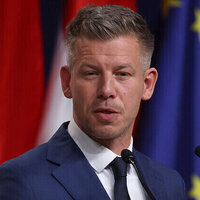
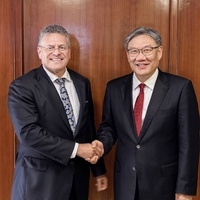
The talks will bring together European Commission President Ursula von der Leyen and Hungarys incoming prime minister Peter Magyar, following a decisive election earlier this month that has reshaped Hungary's political landscape.
Around 17 billion in EU funds is at stake, previously blocked overrule of law concernsunder the outgoing administration of Viktor Orban.
The discussions are expected to focus on concrete legal and institutional changes Budapest must deliver to secure the release of the money.
EU rushes to unlock billions for Hungary as Magyar prepares for power
August deadline
A significant portion of the frozen funding including 11 billion from the EUs post-pandemicRecovery Fundmust be accessed by mid-August or be lost entirely.
That urgency has added momentum to negotiations, with both sides having already held two preparatory meetings since Magyars landslide victory on 12 April.
His Tisza party secured a two-thirds parliamentary majority, giving him the power to amend Hungarys constitution a factor EU officials believe could accelerate reforms.
This engagement is about making swift, tangible progress, saidCommission spokesmanOlof Gill, emphasising a structured approach aimed at ensuring Hungarians benefit from the funds as soon as possible.
The European Commission has made clear that the funding is intended to support citizens directly.
Europe welcomes Magyar victory as Orban concedes defeat in Hungary's elections
Beyond financial issues, Wednesdays talks could open the door to a broader reset in relations.
Discussions could include Hungarys potential return to the Erasmusstudent exchangeprogramme, from which it has been excluded since early 2023 over concerns about academic freedom.
There is also the possibility of movement on Hungarys previous veto ofEU reimbursementsfor military equipment supplied to Ukraine an issue that has strained unity among EU member states since Russias 2022 invasion of the country.
(with newswires)
Originally published on RFI