

Alexander Brotman
Download PDF
Jun 5 2025
1
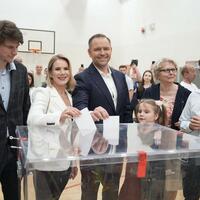
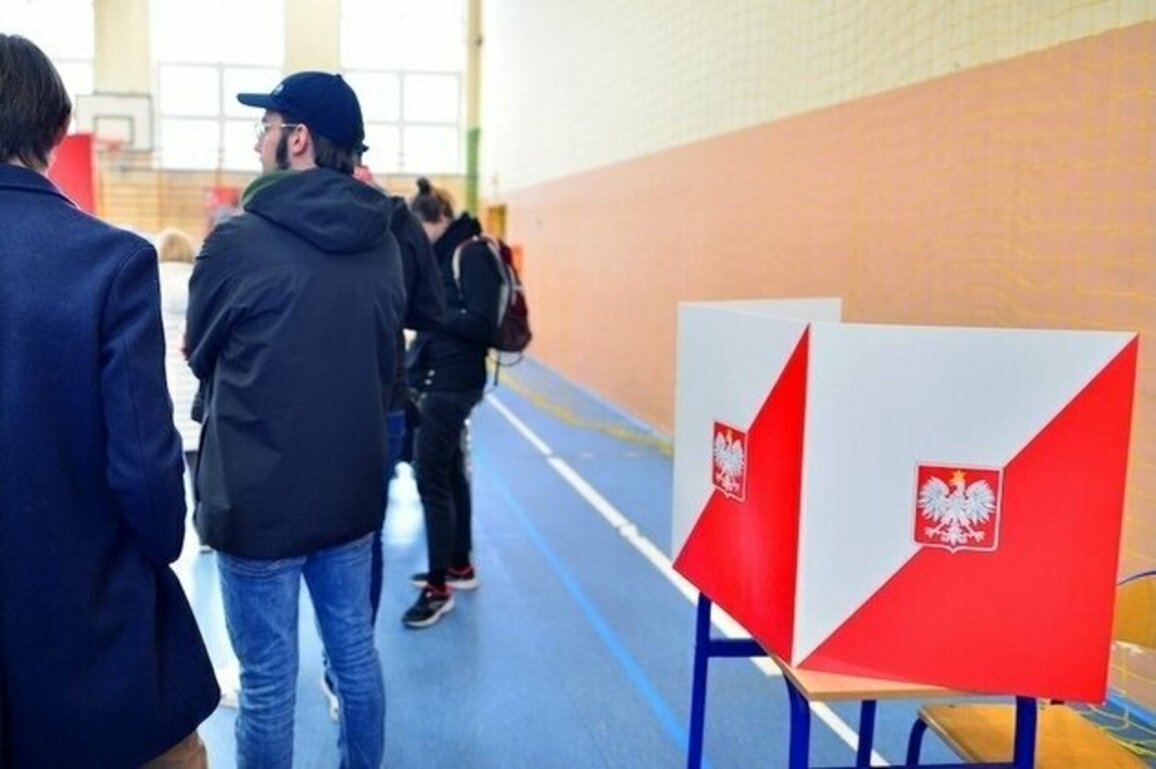
viewsgrand-warszawski/DepositphotosAfter Romanias presidential election last month resulted in a decisive win for pro-EU candidate Nicosor Dan, it was Polands turn this past weekend as the next country on the European election calendar. True to form, Polish voters narrowly turned to a soft Euroscepticism under incoming President Karol Nowricki over the pro-EU, liberal agenda of Warsaw mayor Rafa Trzaskowski. It was aclose electionwith a record turnout, revealing the strengths of Polish democracy but also the deep divisions within its populace over Polands future direction.
Having governed with a president from the opposition Law and Justice party (PiS) since taking power in 2023, Prime Minister Donald Tusk is familiar with the forthcoming arrangement with Nowricki. In a closely contested election, Poland showed its pivotal role in shaping Europes security and strategic outlook, while embracing its historically more Eurosceptic and protectionist view of its national interest against the perceived interference of Brussels. It is too early, and also inaccurate, to say that Poland is abandoning Europe or embracing Trump as a result of this election. Poland still has a story to tell and a vital leadership role to play in Europe before the next parliamentary elections in 2027, albeit with a little more policy gridlock likely in the years ahead.
While Polands relations with Washington were expected to remain strong regardless of who won the election, Nawrocki and PiS have formed a special bond with the Trump administration. Nawrocki met with Trump in the Oval Office earlier this year, and several Trump administration officialsjourneyedto a Conservative Political Action Committee conference in the city of Rzeszow late last month. Notably, Polands conservative nationalism is pro-American and pro-NATO, as the Atlantic Councils Warsaw office directorwrote, something that separates Poland from the right-wing populism of other neighbouring states like Hungary and Slovakia.
Polands relations with other European states like Germany will be important to watch. The nationalist right in Poland can easily fall prey to anti-German sentiment, and Nowrickis role as director of the Museum of the Second World War in Gdansk signals a willingness on his part to pursue history for political ends, something PiS is not shy about doing. However, with foreign and defence policy largely resting with the prime minister, combined with strong cross-party support for Ukraine, Nowrickis role in Polish politics will largely be serving as a brake to Tusk and his coalitions pro-EU agenda.
For Tusk, the main challenge will be in holding together his fractious coalition that combines a range of parties from the left to the right of the political spectrum. Tusk has alreadycalleda vote of no confidence for June 11 to help shore up support in the face of what he describes as Polands new political reality.
Polands rule-of-law and judicial independence challenges with Brussels risk returning to the forefront if Nowricki works to stall Tusks reform agenda, largely enacted in response to the last PiS-led government in power from 2015 to 2023. In 2025, Poland is arguably too important an EU member state to be engaged in protracted legal battles or judicial inquiries with Brussels, something Tusk, as former EU Council President, will be keen to highlight as he makes his pitch to parliamentarians. With one of the largest militaries and fastest-growing economies on the continent, Polands place in Europe is secure, regardless of whether its adherence to the formal institutions of Europe begins to falter.
In the two-year period until Polands 2027 parliamentary elections, many events will help shape domestic Polish politics, from the course of the conflict in Ukraine and EU-Russia relations, to President Trumps tariff agenda and his administrations desire to decrease US troop levels in Europe. Poland under President Nawrocki will be fighting for Polish interests first but also for a continued US presence in Europe, continued support for Ukraine, albeit not Kyivs NATOaccessionat present, and support for Eurosceptic, nationalist parties in Europe and abroad.
Poland is unlikely to turn into a much larger version of Viktor Orbans Hungary given its sustained economic growth and desire for connectivity with other European capitals combined with its entrenched foreign and economic policy alignment with Brussels and Washington. In short, Poland is not at risk of taking Russias side on a wide range of issues, and both Polands citizens and its leaders know the importance of fighting back against Russian disinformation campaigns and Moscows weaponisation of history to try and divide Poles.
Polands growth has been uncomfortable at times for Brussels precisely because it is so nuanced and complicated, with Warsaw being dependent on the EU and yet wary of its overreach and protective of Polish sovereignty and values. Over two decades since joining the EU and NATO, Polands model of engagement with the world has borne significant fruit and has shown to be a winning strategy. The heady days of supranationalism and ever closer integration in Europe married with a strong urge for multilateralism globally has largely come to pass.
The Polish model of a soft Euroscepticism that embraces its common neighbourhood but is ultimately rooted in its own self-interest and growth over the interests of others has proven victorious. Nawrockis victory is not a setback to Polands remarkable rise but an inseparable component of how Poland simultaneously engages with Europe while not forgetting to forge its own path.
Further Reading on E-International Relations
- Opinion The Rise of Islamophobia in Poland
- Opinion Polands Territorial Defense Forces: A Solution for Revitalizing Canadas Reservists
- Herbert C. Hoover and Poland, 19291933: Between Myth and Reality
- Opinion A State of Emergency at the Polish-Belarusian Border
- Opinion How Polish Women Fight Their Right-Wing Government
- Great Power Meddling in Central Europe: 191445
About The Author(s)
Alexander Brotmanis a political risk and intelligence analyst with a focus on EU politics and security developments. He has written for several political risk publications, including Global Risk Insights, Foreign Brief, and Geopolitical Monitor, and has provided direct research support to a leading scholar of Russia and Eurasia in Washington. Alexander received his MSc. in International Relations from The University of Edinburgh. He is currently based in Washington DC.
He writes in a personal capacity and not with any professional affiliation.
TagsEuropean UnionPoland