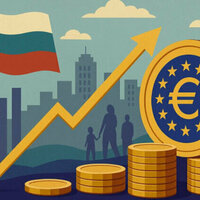


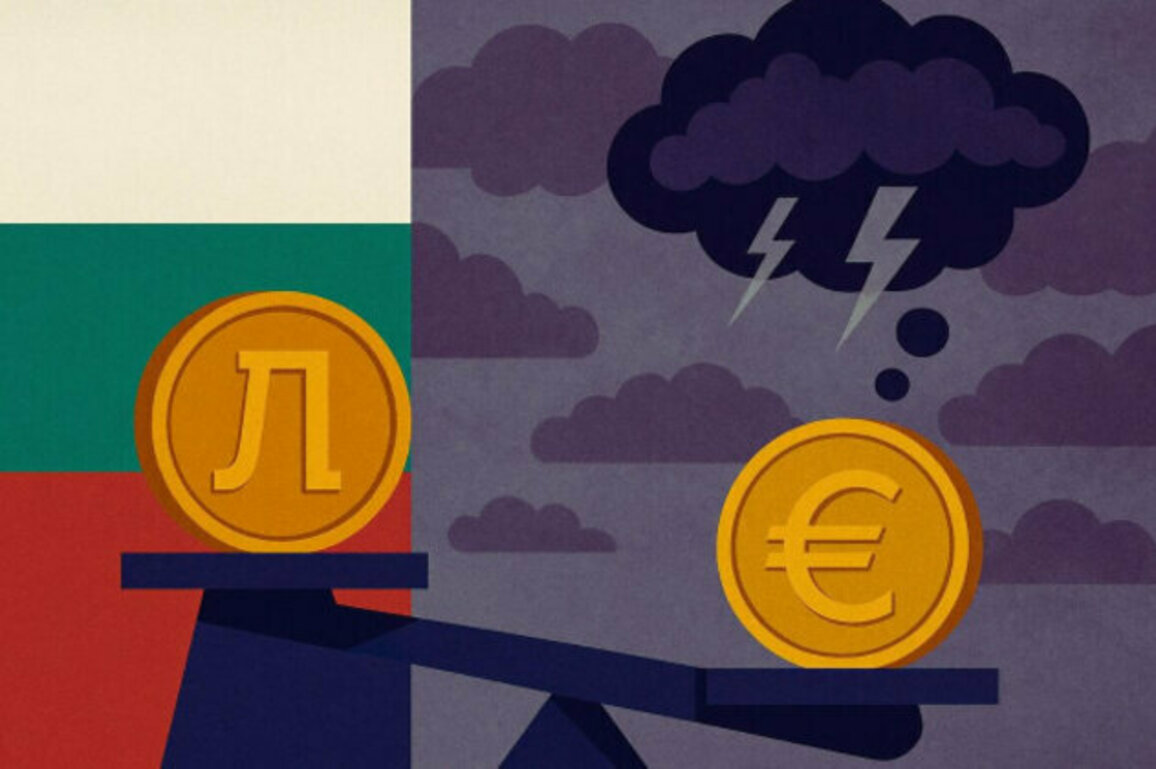
The introduction of the euro in Bulgaria has stirred many questions that, according to financier Boris Petrov, should have been addressed much earlier. Speaking to Bulgarian National Radio, he noted that the public's lack of understanding of the benefits of euro adoption has been overshadowed by ongoing political instability. Petrov believes these concerns are being manipulated to exploit people's fears.
Reflecting on the history of Bulgaria's accession to the EU, Petrov pointed out that back in 2005, when the membership agreement was signed, it was the appropriate moment to discuss the terms and timeline for adopting the euro. He observed that Bulgaria did not tackle these questions at the time, and now, years later, it is grappling with them under less favorable circumstances.
Petrov dismissed the speculation that the euro will lead to higher prices, emphasizing that Bulgaria's currency is already fully pegged to the euro and that its foreign exchange reserves are entirely held in euros. Drawing a parallel with the past currency denomination process, which did not cause a significant rise in prices, he argued that current fears are being exaggerated and taken out of context.
He also rebutted claims that Bulgaria would lose part of its foreign exchange reserves after joining the eurozone, describing these suggestions as unfounded.
Addressing concerns about Croatia's experience as a new eurozone member, Petrov said administrative steps taken during the transition would not have a lasting effect on prices. He underscored that open competition and free trade are the most effective ways to keep markets balanced.
Petrov concluded by saying the euro itself serves as a safeguard for Bulgaria's national security, offering both economic stability and solidarity within the eurozone framework. He drew attention to Denmark's example, where despite a formal opt-out clause in its EU accession treaty, the Danish krone has maintained a fixed exchange rate against the euro for over three decades, essentially making it part of the eurozone in practice.
Source:BNR interview