

After three years of negotiations sparked by the COVID-19 crisis, countries have adoptedthe worlds first-ever international agreementto better prevent, prepare for, and respond to future pandemics. The new accord marks a major step towards ensuring stronger global cooperation to protect lives and avoid the devastating consequences of future outbreaks.
An international pandemic prevention treaty, three years in the making, is set to be adopted this week in Geneva. Rehman Hassan, a prominent member of the UN World Health Organization (WHO) Youth Council, is confident the accord could make a huge difference to the way that the world reacts to pandemics.
As world leaders meet in Geneva to negotiate a new UN-brokered agreement on pandemic preparedness, we revisit frontline doctors, community advocates, a youth volunteer and a journalist who lived through the storm of COVID-19. Their voices are just a few among millions that show why this moment matters.
The effects of the devastatingCOVID-19pandemic are still being felt. Around seven million people died, health systems were overwhelmed, and the global economy was practically driven to a standstill.
The global turmoil prompted a stunned international community to pursue an agreement aimed at preventing such a catastrophic event from happening again and ensuring the world is far better prepared in the future.
The landmark decision was made at theWorld Health Assembly, the annual meeting of the World Health Organization (WHO).
Although the formal adoption was on Tuesday, the WHOs Member States overwhelmingly approved the agrement on Monday (124 votes in favour, 0 objections, 11 abstentions).
This meant that, rather than a nail-biting vote with last-minute surprises (ahead of the conference, Tedros Adhanom Ghebreyesus, WHO Director-General, only felt able to express cautious optimism), the adoption by consensus had a celebratory feel.
The agreement is a victory for public health, science and multilateral action, declared Tedros. It will ensure we, collectively, can better protect the world from future pandemic threats.
It is also a recognition by the international community thatour citizens, societies and economies must not be left vulnerable to again suffer losses like those endured during COVID-19.
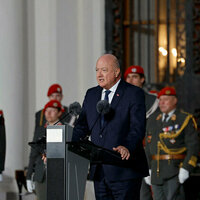
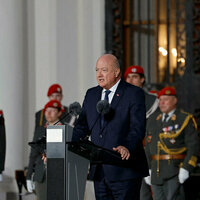
WHO/Christopher BlackWHO Member States approved the first-ever Pandemic Agreement on 19 May 2025Once-in-a-lifetime opportunity
The pandemic laid bare gross inequities between and within countries, when it cameto diagnostics, treatments, and vaccines, and a core aim of the agreement is to plug gaps and treat any future pandemics in a fairer and more efficient way.
Now that the Agreement has been brought to life, we must all act with the same urgency to implementits critical elements, including systems to ensure equitable access to life-saving pandemic-related health products, announced Dr. Teodoro Herbosa, Secretary of the Philippines Department of Health, and President of this yearsWorld Health Assembly, who presided over the Agreements adoption.
As COVID was a once-in-a-lifetime emergency, the WHO Pandemic Agreement offers a once-in-a-lifetime opportunity to build on lessons learned from that crisis and ensure people worldwide are better protected if a future pandemic emerges.
The issue of national sovereignty has been raised several times during the process of negotiating the accord,a reflection of false online claims that WHO is somehow attempting to wrest control away from individual countries.
The accord is at pains to point out that this is not the case, stating that nothing contained within it gives WHO any authority to change or interfere with national laws, or force nations to take measures such as banning travellers, impose vaccinations or implement lockdowns.
WHO/ Christopher BlackWHO Member States approved the first-ever Pandemic Agreement on 19 May 2025The adoption has been hailed as a groundbreaking step, but this is just the beginning of the process.
The next step is putting the agreement into practice, by launching a launching a process to draft and negotiate a Pathogen Access and Benefit Sharing system (PABS) through an Intergovernmental Working Group.
The result of this process will be considered at next years World Health Assembly.
Once the Assembly adopts the PABS annex, the agreement will then be open for signature and consideration of ratification, including by national legislative bodies. After 60 ratifications, it will enter into force.
Other provisions include a new financial mechanism for pandemic prevention, preparedness and response, and the creation of a Global Supply Chain and Logistics Network toenhance, facilitate, and work to remove barriers and ensure equitable, timely, rapid, safe, and affordable access to pandemic-related health products for countries in need during public health emergenciesof international concern, including pandemic emergencies, and for prevention of such emergencies.
WHO/Christopher BlackWHO Member States approved the first-ever Pandemic Agreement on 19 May 2025WHO/ Christopher BlackWHO Member States approved the first-ever Pandemic Agreement on 19 May 2025